
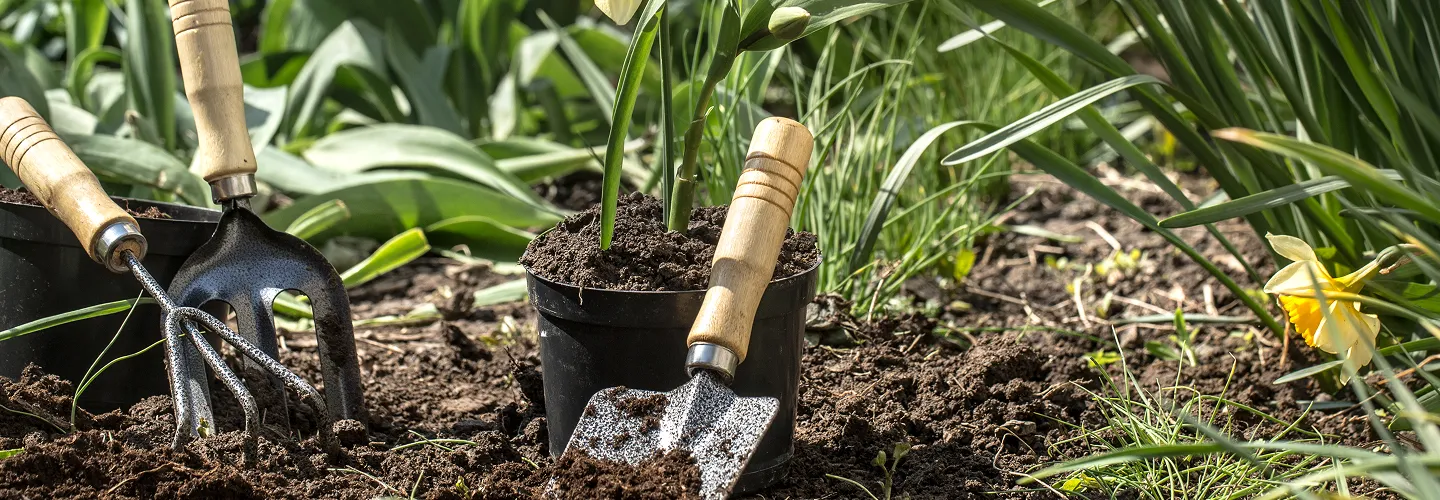
Downtown Chandler Green Waste Disposal Services
Choose our Green Waste Disposal for reliable, environmentally responsible removal of your yard debris—keeping your property clean while supporting a greener community.
Get a Free QuoteOur Downtown Chandler Landscaping & Yard Care Services
When to Schedule Green Waste Disposal in Downtown Chandler, Arizona – Seasonal Guide
Downtown Chandler’s unique desert climate means that timing your green waste disposal is crucial for maintaining a healthy and attractive landscape. The optimal periods for scheduling this service are typically late winter through early spring and again in late fall, when most trees and shrubs in neighborhoods like San Marcos and the Historic District are either coming out of dormancy or preparing for cooler temperatures. These windows align with Chandler’s frost dates—usually ending in early March—and help homeowners avoid the challenges of summer drought and intense heat.
Local environmental factors such as low annual precipitation, alkaline soils, and variable shade coverage from mature trees in areas near Dr. A.J. Chandler Park all play a role in determining the best disposal schedule. Additionally, municipal guidelines and seasonal collection events, which can be found on resources like the City of Chandler’s official website, may influence when and how you can dispose of green waste efficiently and in compliance with local regulations.
Local Factors to Consider for Green Waste Disposal in Downtown Chandler
- Tree and shrub density in your yard or neighborhood
- Proximity to landmarks like San Marcos Golf Course (affecting microclimates)
- Annual precipitation patterns and drought risk
- Soil type (sandy or clay-heavy soils impact decomposition)
- Shade coverage from mature trees
- Municipal restrictions and scheduled collection events
- Recent weather events (monsoon storms or frost)
- Accessibility for disposal vehicles in historic or densely built areas
Benefits of Green Waste Disposal in Downtown Chandler
Eco-Friendly Landscaping Solutions
Efficient Green Waste Removal
Promotes Healthy Plant Growth
Reduces Landfill Waste
Supports Local Sustainability
Enhances Property Curb Appeal
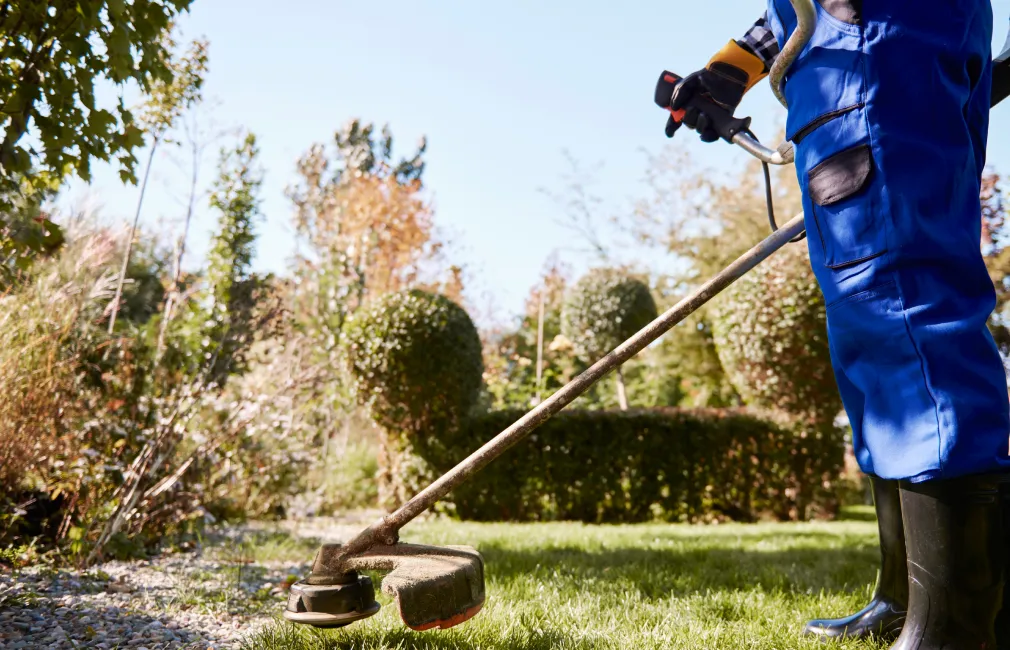
Downtown Chandler Green Waste Disposal Types

Grass Clippings
-
Tree Branches
-
Shrub Trimmings
-
Leaves
-
Palm Fronds
-
Weeds
-
Garden Plant Debris
Our Green Waste Disposal Process
Collection of Green Waste
Sorting and Separation
Transport to Disposal Facility
Eco-Friendly Processing
Why Choose Downtown Chandler Landscape Services
-
Downtown Chandler Homeowners Trust Us
-
Expert Lawn Maintenance
-
Reliable Irrigation Solutions
-
Competitive Pricing
-
Professional Team
-
Satisfaction Guarantee
-
Personalized Service
Coordinating Green Waste Disposal Through Downtown Chandler's Municipal Solid Waste Programs
Green waste disposal in Downtown Chandler requires coordination with the city's solid waste management division, which operates under the Department of Public Works and Utilities. Residents and property managers should verify current collection schedules, accepted materials, and container or bundling requirements directly with the department before placing organic debris curbside. Accepted green waste typically includes tree trimmings, shrub clippings, grass cuttings, and other landscape-generated organic material, but specific preparation standards—such as maximum branch length or required bundling methods—should be confirmed through the city rather than assumed.
- Verify whether green waste must be separated from general solid waste or bulk trash
- Confirm any seasonal changes to collection frequency, particularly during monsoon cleanup periods
- Check whether commercial landscape contractors must use licensed haulers or designated transfer facilities rather than residential curbside programs
- Contact the department to determine if drop-off options exist for large-volume green waste from property cleanouts or storm damage
Property managers overseeing multi-family or commercial sites in Downtown Chandler should note that disposal rules for these properties may differ from single-family residential guidelines. The city's Urban Forestry program can also provide guidance on tree-related green waste generated from public right-of-way maintenance or parkway trimming.
Chandler Public Works & Utilities
Official Website: Chandler Public Works & Utilities
How Downtown Chandler's Low-Desert Heat and Soils Shape Green Waste Volume
Downtown Chandler sits within the Phoenix metro low-desert environment, classified in USDA Hardiness Zone 9b, where summer temperatures routinely exceed 110°F and annual rainfall averages under eight inches. These conditions directly influence the type and volume of green waste generated throughout the year. Bermudagrass lawns produce heavy clipping loads during active summer growth, while winter overseeded ryegrass generates a secondary flush of organic material from late fall through early spring. Desert-adapted trees such as mesquite, palo verde, and African sumac shed pods, seed casings, and leaf litter that accumulate rapidly on hardscape and in landscape beds.
- Alkaline, calcium-carbonate-rich soils common in the Chandler area resist organic decomposition, meaning green waste left on-site breaks down slowly and can harbor pests
- Monsoon storms from July through September generate sudden surges of broken branches, dislodged palm fronds, and wind-scattered debris that require prompt disposal
- Reflected heat from block walls, concrete driveways, and commercial parking areas accelerates desiccation of piled green waste, increasing fire risk if material is stockpiled near structures
- Irrigation-dependent landscapes produce year-round organic output, unlike rain-fed regions where green waste is primarily seasonal
The USDA Web Soil Survey confirms that soils across much of the Chandler area tend toward alkaline sandy loam with caliche layers at variable depths, which limits on-site composting viability for many properties.
Stormwater Compliance and Disposal Regulations Affecting Downtown Chandler Properties
Green waste disposal in Downtown Chandler is subject to stormwater quality regulations enforced under Arizona's Phase II Municipal Separate Storm Sewer System (MS4) program. Organic debris—including grass clippings, leaves, and branch trimmings—must not be swept, blown, or deposited into street gutters, curb inlets, retention basins, or drainage channels. The Arizona DEQ stormwater program and the federal Clean Water Act establish the regulatory framework that governs how landscape waste interacts with municipal drainage infrastructure.
- Green waste left in public rights-of-way or drainage corridors may trigger code enforcement action
- Landscape contractors operating in Chandler should confirm whether the city requires commercial haulers to use permitted disposal facilities
- Burning of green waste is prohibited within Chandler city limits; all organic landscape debris must be disposed of through approved collection, hauling, or facility drop-off methods
- Properties adjacent to washes or flood-control channels face heightened scrutiny regarding debris placement and storage
Chandler Environmental Management
Official Website: Chandler Environmental Management
The city's Water Quality division can address questions about runoff contamination risks associated with decomposing organic material near storm drainage infrastructure.
Timing and Methods for Green Waste Disposal in Downtown Chandler's Climate
Professional green waste disposal in Downtown Chandler follows timing patterns dictated by the region's extreme heat and monsoon cycle. Prompt removal of organic debris is essential during summer months, when stockpiled green waste dries rapidly and becomes a fire hazard. Post-monsoon periods in late July through September typically generate the highest single-event volumes of storm-damaged branches and displaced vegetation.
- Schedule green waste removal within 48 hours of generation during summer to reduce pest attraction and fire risk
- Bundle branches and woody material according to city specifications before curbside placement; verify maximum dimensions with Public Works
- Bag or containerize grass clippings and leaf litter to prevent wind dispersal into neighboring properties or drainage infrastructure
- Coordinate large-volume disposal from renovation or storm-damage projects with a licensed hauler if the volume exceeds residential collection limits
- Avoid staging green waste piles on sidewalks, in alleys, or near curb inlets where material could wash into the storm drain system during unexpected rainfall
For properties with mature mesquite, eucalyptus, or citrus trees, plan for periodic heavy disposal events tied to seasonal pod drop, fruit fall, and post-pruning debris. The Arizona Department of Forestry and Fire Management provides additional context on urban tree management standards relevant to green waste generation.
What Neighborhoods Do We Serve Throughout Downtown Chandler, AZ?
- Downtown Chandler Historic District — Mature shade trees and older irrigated lots generate consistent green waste from leaf litter, fruit drop, and seasonal pruning throughout the year.
- San Marcos Estates — Established residential properties with large canopy trees and turf areas produce above-average volumes of grass clippings and branch trimmings requiring regular disposal coordination.
- Villa de Paz — Compact lot sizes and shared alley access in this neighborhood require careful staging of green waste to avoid obstructing drainage flow or neighboring properties.
- Park Meadows — Proximity to retention basins and neighborhood drainage corridors makes proper green waste containment essential to prevent organic debris from entering stormwater infrastructure.
- Continental Estates — Larger residential parcels with mixed desert and irrigated landscaping generate diverse green waste including palm fronds, citrus prunings, and bermudagrass clippings.
- Galveston Estates — Properties near the Western Canal corridor should exercise particular care to keep green waste staged away from canal banks and flood-control easements.