
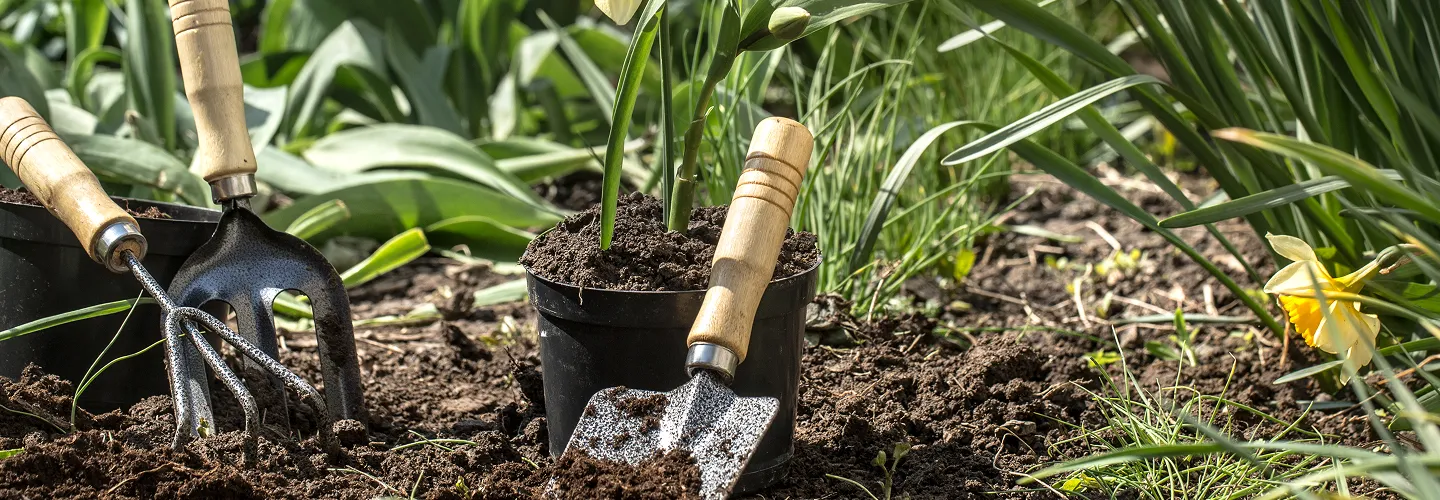
Downtown Chandler Lawn Renovation Services
Choose our Lawn Renovation services for expert care, premium materials, and a commitment to transforming your yard into a lush, healthy, and beautiful outdoor space you’ll love year-round.
Get a Free QuoteOur Downtown Chandler Landscaping & Yard Care Services
When to Schedule Lawn Renovation in Downtown Chandler, Arizona – Seasonal Guide
Timing your lawn renovation in Downtown Chandler is crucial for achieving a lush, resilient yard that thrives in our unique desert climate. The best periods for renovation are typically late spring and early fall, when temperatures are moderate and the risk of frost has passed. In neighborhoods like San Marcos Estates and near the Chandler Center for the Arts, homeowners benefit from scheduling major lawn work after the last frost date in March and before the intense summer heat sets in. This approach allows new grass to establish roots before facing the challenges of high temperatures and potential drought.
Downtown Chandler’s landscape is shaped by factors such as clay-heavy soils, variable shade from mature mesquite and palo verde trees, and occasional monsoon rains. Humidity levels remain low for much of the year, so irrigation planning is essential. Be mindful of municipal watering restrictions and consider consulting local resources like Sudbury’s municipal guidelines for best practices. Tailoring your renovation schedule to these local conditions ensures your lawn remains healthy and vibrant year-round.
Local Factors to Consider for Lawn Renovation in Downtown Chandler
- Tree density and shade coverage, especially in historic districts
- Soil composition (clay vs. sandy areas)
- Average precipitation and monsoon timing
- Frost dates and temperature fluctuations
- Municipal watering restrictions and guidelines
- Terrain slope and drainage patterns
Benefits of Lawn Renovation in Downtown Chandler
Expert Local Landscaping Team
Customized Lawn Renovation Plans
Eco-Friendly Lawn Solutions
Fast and Reliable Service
Competitive Pricing for Downtown Chandler
Enhanced Curb Appeal Guaranteed
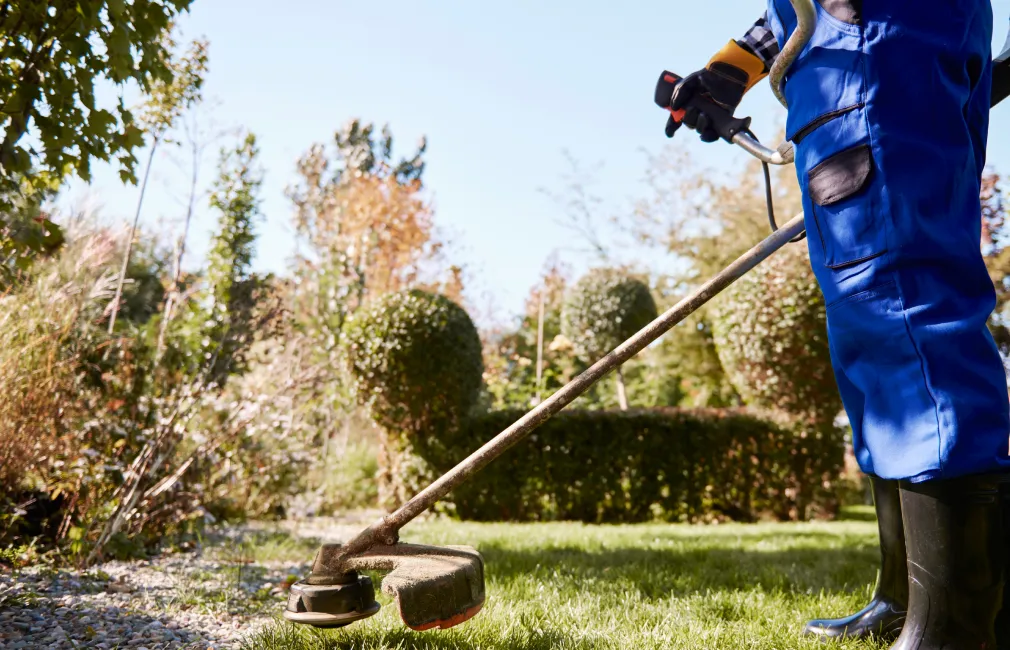
Downtown Chandler Lawn Renovation Types

Sod Installation
-
Hydroseeding
-
Artificial Turf Replacement
-
Soil Amendment
-
Overseeding
-
Irrigation System Upgrades
-
Weed and Pest Control
Our Lawn Renovation Process
Site Evaluation
Soil Preparation
Seeding or Sodding
Watering and Fertilization
Ongoing Maintenance
Why Choose Downtown Chandler Landscape Services
-
Downtown Chandler Homeowners Trust Us
-
Expert Lawn Maintenance
-
Reliable Irrigation Solutions
-
Competitive Pricing
-
Professional Team
-
Satisfaction Guarantee
-
Personalized Service
Coordinating Lawn Renovation Projects with Downtown Chandler's Municipal Departments
Lawn renovation in Downtown Chandler involves more than replacing worn turf. Projects that include grade correction, irrigation system modifications, or soil import may require coordination with city departments responsible for development review, stormwater management, and right-of-way protection. Property owners and managers should confirm whether their scope of work triggers any site-plan review through the city's development services process, particularly when renovation affects drainage flow toward public infrastructure or adjacent parcels. Chandler's Community Development division can clarify whether neighborhood-level code compliance standards apply to frontage turf areas or visible landscape zones within HOA-governed communities.
- Verify whether grade changes or soil import require review through development services
- Coordinate green waste and debris removal with the city's solid waste procedures
- Confirm irrigation modifications comply with current water-use guidelines
Chandler Community Development
Official Website: Chandler AZ Community Development
Chandler Public Works & Utilities
Official Website: Chandler AZ Public Works & Utilities
How Downtown Chandler's Low-Desert Soil and Heat Shape Lawn Renovation
Downtown Chandler sits within USDA Hardiness Zone 9b in the Phoenix metro low-desert region, where summer surface temperatures regularly exceed 110°F and soils are predominantly alkaline with pH levels commonly ranging from 7.5 to 8.5. Caliche layers—cemented calcium carbonate deposits—are frequently encountered at shallow depths across older residential lots, severely restricting root penetration and water infiltration. Salt accumulation from repeated irrigation with mineral-rich municipal or reclaimed water compounds turf decline, particularly in bermudagrass stands that have received years of surface-only watering. The USDA Web Soil Survey can help identify the dominant soil series on a specific parcel before renovation begins.
- Alkaline, calcareous soils reduce nutrient availability for iron, phosphorus, and zinc
- Caliche layers may require mechanical breaking or deep ripping before turf re-establishment
- Reflected heat from block walls, concrete driveways, and sidewalks intensifies turf stress along property edges
- Salt crusting on the soil surface indicates the need for leaching cycles during renovation
- Monsoon-season runoff can erode freshly graded areas if stabilization is not completed promptly
Navigating Downtown Chandler's Stormwater and Environmental Compliance for Lawn Renovation
Lawn renovation projects in Downtown Chandler must account for stormwater regulations administered under Arizona's Phase II Municipal Separate Storm Sewer System (MS4) program. Soil disturbance, grading, and irrigation runoff during renovation can introduce sediment, fertilizer, and organic debris into the city's storm drain network, which ultimately discharges to local washes and retention basins. The Arizona DEQ stormwater program outlines the broader regulatory framework, while Chandler's Environmental Management division supports local pollution prevention and resource conservation efforts. Any pesticide or herbicide application during renovation must be performed by an applicator licensed through the Arizona Department of Agriculture, consistent with Arizona Revised Statutes Title 3.
- Prevent soil, seed, and fertilizer from entering curb inlets, storm drains, or retention basins
- Stage materials away from drainage flow paths during active renovation
- Apply amendments and seed only during low-wind conditions to minimize drift
- Confirm that irrigation runoff does not flow onto sidewalks, streets, or neighboring properties
Chandler Environmental Management
Official Website: Chandler AZ Environmental Management
Timing and Methods for Lawn Renovation in Downtown Chandler's Extreme Climate
Professional lawn renovation in the low desert follows a schedule dictated by bermudagrass growth cycles and seasonal temperature windows. The primary renovation window for warm-season turf falls between late April and early July, when soil temperatures consistently exceed 65°F and bermudagrass enters vigorous active growth. This period allows for soil correction, grade repair, and re-sprigging or re-sodding with adequate time for root establishment before monsoon storms arrive in mid-July. The University of Arizona Cooperative Extension and the Turfgrass Maintenance Guide for Low Elevation Arizona provide regionally calibrated guidance on turf species selection and establishment protocols.
- Conduct a thorough irrigation audit before any soil work to identify coverage gaps, broken heads, and pressure inconsistencies
- Address compaction through core aeration at roughly 2–3 inches of penetration before overseeding or sodding
- Incorporate sulfur or gypsum amendments where soil tests confirm excessive alkalinity or sodium levels
- Schedule heavy irrigation for leaching salts during early morning hours to reduce evaporative loss
- Stabilize bare or graded areas with erosion blankets or temporary cover if monsoon onset is imminent
Properties with reclaimed water irrigation should verify current salt and mineral content through the Chandler Water Quality program, as elevated total dissolved solids may require adjusted leaching fractions during turf establishment.
What Neighborhoods Do We Serve Throughout Downtown Chandler, AZ?
- Downtown Chandler Historic District — Older residential lots in this area often feature mature landscaping with compacted soils and aging irrigation systems that require comprehensive renovation assessment before turf replacement.
- San Marcos Estates — Properties near the San Marcos Golf Resort frequently contend with reflected heat from adjacent hardscape and may require salt-tolerant bermudagrass cultivars during renovation.
- Villa de Paz — This established neighborhood includes smaller lot sizes where grade correction and drainage management are critical to preventing irrigation runoff onto shared walkways.
- Park Meadows — Homes adjacent to neighborhood retention basins must ensure that renovation debris and sediment do not migrate into stormwater infrastructure during soil preparation.
- Chandler Park — Mature shade trees in this area create variable sun exposure across turf zones, requiring careful species selection and irrigation zoning during renovation.
- University Park — Properties near public park corridors benefit from coordinating renovation timing with the city's Urban Forestry program when tree root zones overlap turf renovation areas.