
Downtown Chandler Lawn Mowing Services
Choose our lawn mowing service for reliable, professional results that keep your yard looking its best all season long. Our experienced team uses top-quality equipment and pays attention to every detail, ensuring your lawn is healthy, beautiful, and the envy of the neighborhood.
Get a Free QuoteOur Downtown Chandler Landscaping & Yard Care Services
When to Schedule Lawn Mowing in Downtown Chandler, Arizona – Seasonal Guide
In Downtown Chandler, Arizona, the timing of your lawn mowing routine is crucial for maintaining a healthy, vibrant yard. The region’s unique climate—characterized by hot, dry summers and mild winters—means that grass growth patterns differ from other parts of the country. Typically, the optimal mowing season begins in early March, after the last frost, and extends through late October. Neighborhoods near Dr. A.J. Chandler Park and the historic San Marcos Hotel often experience microclimates due to varying shade coverage and proximity to mature trees, which can influence mowing frequency.
Local environmental factors such as Chandler’s clay-heavy soils, the risk of summer drought, and periodic monsoon rains all play a role in determining the best mowing schedule. For example, lawns in areas with dense shade from mature mesquite or palo verde trees may require less frequent mowing, while properties closer to the Chandler Center for the Arts might see more rapid growth due to increased irrigation and sunlight. Understanding these local nuances ensures your lawn remains healthy and resilient throughout the year.
Local Factors to Consider for Lawn Mowing in Downtown Chandler
- Tree density and shade coverage (e.g., mature trees in San Marcos Estates)
- Soil type and drainage, especially in older neighborhoods
- Seasonal precipitation and monsoon patterns
- Risk of drought and municipal water restrictions
- Proximity to landmarks or irrigated public spaces
- Terrain variations, such as sloped lots or raised beds
Benefits of Lawn Mowing in Downtown Chandler
Professional Lawn Care Experts
Consistent Scheduling
Enhanced Curb Appeal
Time-Saving Services
Eco-Friendly Practices
Reliable Local Support
Downtown Chandler Lawn Mowing Types

Standard Lawn Mowing
-
Mulching Mower Service
-
Bagging Grass Clippings
-
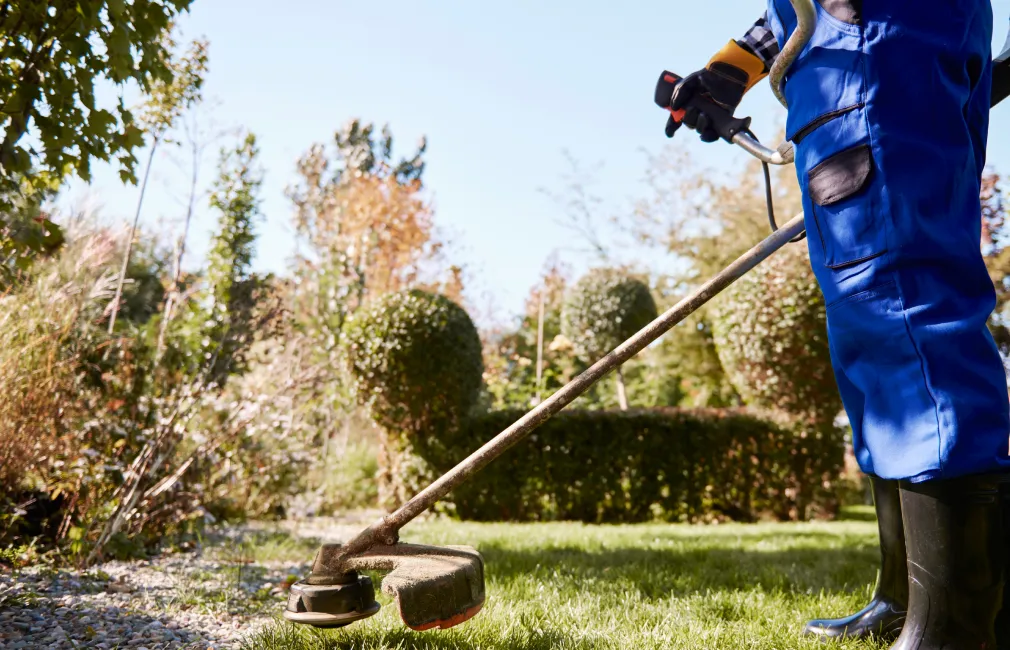
Edging and Trimming
-
Seasonal Lawn Scalping
-
Eco-Friendly Electric Mowing
-
Custom Pattern Mowing
Our Lawn Mowing Process
Site Evaluation
Lawn Preparation
Mowing Execution
Edging and Trimming
Cleanup
Why Choose Downtown Chandler Landscape Services
-
Downtown Chandler Homeowners Trust Us
-
Expert Lawn Maintenance
-
Reliable Irrigation Solutions
-
Competitive Pricing
-
Professional Team
-
Satisfaction Guarantee
-
Personalized Service
Coordinating Lawn Mowing Services with Downtown Chandler's Municipal Programs
Residents and property managers in Downtown Chandler should understand how lawn mowing intersects with city infrastructure and waste management operations. The City of Chandler manages green waste collection through its solid waste programs, and grass clippings generated from routine mowing must be handled in accordance with municipal guidelines. Property owners should verify current green waste container requirements and collection schedules directly with the city, as procedures may differ for residential and commercial accounts. Clippings and organic debris must not be swept or blown into street gutters, curb inlets, or storm drainage infrastructure, as this contributes to blockages and stormwater contamination. For properties adjacent to public rights-of-way, mowing crews should ensure that discharge from mowers is directed away from sidewalks and roadways.
- Contain all grass clippings on-site or within designated green waste receptacles
- Prevent mowing discharge from entering curb inlets, retention basins, or drainage channels
- Coordinate bulk green waste removal with the city's solid waste division when volumes exceed standard collection capacity
- Confirm any right-of-way mowing responsibilities with the Public Works department
Chandler Public Works & Utilities
Official Website: Chandler Public Works & Utilities
Chandler Environmental Management
Official Website: Chandler Environmental Management
How Downtown Chandler's Low-Desert Heat and Soil Conditions Affect Lawn Mowing
Downtown Chandler sits within the Phoenix metro low-desert region, classified under USDA Hardiness Zone 9b to 10a, where summer air temperatures routinely exceed 110°F and surface temperatures on turf can climb even higher. The predominant turf species in this area is bermudagrass, which thrives during the intense summer growing season but enters dormancy in winter, when many properties overseed with perennial ryegrass to maintain green cover. Soils in the Downtown Chandler area tend toward alkaline sandy loam, often underlain by caliche hardpan at varying depths, which restricts root penetration and affects drainage behavior. Reflected heat from block walls, concrete sidewalks, and asphalt parking areas intensifies stress on turf edges, causing uneven growth patterns that require adjusted mowing approaches.
- Bermudagrass grows aggressively from May through September, demanding frequent mowing cycles
- Alkaline soils with pH levels commonly above 7.5 influence nutrient availability and turf density
- Caliche layers impede deep root development, making turf more susceptible to scalping on uneven ground
- Reflected heat from adjacent hardscape accelerates moisture loss along property perimeters
- Monsoon storms from July through September produce sudden heavy runoff that can wash loose clippings into drainage infrastructure
The University of Arizona Cooperative Extension provides region-specific guidance on turf species selection and seasonal management for low-elevation Arizona properties.
Navigating Downtown Chandler's Stormwater and Property Maintenance Regulations for Lawn Mowing
Lawn mowing in Downtown Chandler falls under several layers of regulatory oversight related to stormwater quality, property maintenance, and environmental protection. The City of Chandler operates under Arizona's Phase II MS4 stormwater program, which requires municipalities to prevent pollutants—including organic debris and sediment—from entering the municipal storm sewer system. Grass clippings, soil particles, and fertilizer residue displaced during mowing are considered potential stormwater contaminants under the Clean Water Act framework.
- Mowing operators must prevent clippings from being discharged into streets, storm drains, or retention basins
- Properties subject to HOA covenants may have additional mowing frequency and turf height requirements; verify with the governing association
- Commercial lawn care operators applying any pesticide or herbicide in conjunction with mowing must hold appropriate licensing through the Arizona Department of Agriculture
- The city's property maintenance code addresses overgrown vegetation; property owners should confirm current height thresholds with code compliance staff rather than relying on unofficial sources
The Arizona Department of Water Resources also provides landscaping conservation guidance relevant to irrigation scheduling around mowing operations.
Timing and Technical Standards for Lawn Mowing in Downtown Chandler's Climate
Professional mowing standards in Downtown Chandler must account for extreme heat exposure, irrigation scheduling, and seasonal turf transitions. The Turfgrass Maintenance Guide for Low Elevation Arizona recommends maintaining bermudagrass at a mowing height of approximately 1 to 1.5 inches during the active summer season, while overseeded perennial ryegrass is typically maintained at 1.5 to 2.5 inches during the cooler months. Mowing should be performed during early morning hours when turf is under less heat stress and irrigation has had time to absorb, reducing the risk of tearing wet grass blades or compacting saturated soil.
- Mow bermudagrass every 5 to 7 days during peak summer growth; reduce frequency during winter dormancy
- Never remove more than one-third of the grass blade height in a single mowing pass to prevent scalping and stress
- Sharpen mower blades regularly to produce clean cuts, which reduce moisture loss and disease entry points
- Schedule mowing to follow irrigation cycles by at least several hours, allowing the soil surface to firm
- During monsoon season, adjust mowing schedules around storm events to avoid mowing saturated turf and displacing clippings into drainage pathways
- Mulch-mow clippings back into the turf when possible to return nutrients and reduce green waste volume
Chandler Water Quality
Official Website: Chandler Water Quality
What Neighborhoods Do We Serve Throughout Downtown Chandler, AZ?
- Downtown Chandler Historic District — Older residential lots with mature shade trees and established bermudagrass lawns that often require careful mowing around root zones and narrow side yards.
- San Marcos Estates — Properties near the San Marcos Golf Resort feature irrigated turf areas with significant reflected heat from surrounding commercial and hospitality structures.
- Villa de Paz — A neighborhood with compact lot sizes where mowing access can be constrained and clipping management near shared drainage is essential.
- Park Meadows — Established subdivision with retention basin adjacency, requiring operators to prevent clippings and debris from migrating into stormwater infrastructure.
- Chandler Park neighborhood — Proximity to public park spaces and mature landscaping creates mixed shade and sun conditions that affect mowing height and frequency decisions.
- Heritage Square area — Mixed-use surroundings with sidewalk-adjacent turf strips that demand precise edging and debris containment during mowing operations.