
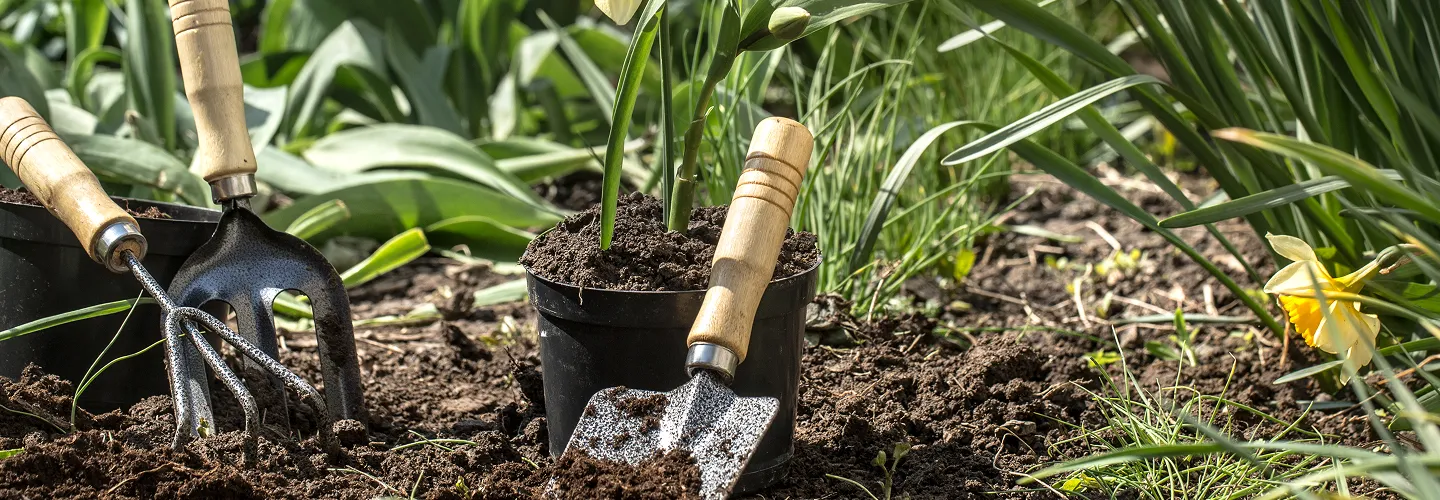
Downtown Chandler Lawn Edging Services
Choose our Lawn Edging for precise, professional borders that boost curb appeal, prevent grass overgrowth, and give your landscape a polished, low-maintenance finish.
Get a Free QuoteOur Downtown Chandler Landscaping & Yard Care Services
When to Schedule Lawn Edging in Downtown Chandler, Arizona – Seasonal Guide
In Downtown Chandler, Arizona, the best times to schedule lawn edging are typically in early spring and late fall. These periods align with the region’s moderate temperatures and reduced risk of extreme weather, making it easier to achieve crisp, clean edges that last. Chandler’s unique climate—characterized by hot, dry summers and mild winters—means that timing your lawn care is crucial for maintaining healthy turf and attractive curb appeal. Neighborhoods near Dr. A.J. Chandler Park and the historic San Marcos Hotel often experience microclimates due to varying shade coverage and irrigation practices, which can influence the ideal edging schedule.
Local environmental factors such as the area’s alkaline soil, sporadic rainfall, and the potential for late-winter frosts should be considered when planning lawn maintenance. For example, properties along Arizona Avenue may face different challenges compared to those closer to the Chandler Center for the Arts, where tree density and shade can affect grass growth. Additionally, it’s important to stay informed about any municipal restrictions or seasonal advisories, which can be found on the City of Chandler’s official website.
Local Factors to Consider for Lawn Edging in Downtown Chandler
- Tree density and shade coverage in your neighborhood
- Soil type and drainage, especially in older residential areas
- Seasonal precipitation patterns and drought risk
- Proximity to landmarks like Dr. A.J. Chandler Park or the San Marcos Hotel
- Municipal restrictions or water usage advisories
- Terrain variations, such as sloped lawns or raised beds
Benefits of Lawn Edging in Downtown Chandler
Enhanced Curb Appeal
Weed Growth Prevention
Defined Landscape Borders
Low Maintenance Solutions
Increased Property Value
Professional Installation Expertise
Downtown Chandler Lawn Edging Types

Concrete Curb Edging
Concrete curbing offers a durable and clean border for lawns and garden beds.
-
Brick Lawn Edging
Brick edging provides a classic and timeless look for landscaping borders.
-
Metal Landscape Edging
Metal edging delivers a sleek, modern appearance and long-lasting performance.
-
Plastic Lawn Edging
Plastic edging is a cost-effective and flexible solution for defining lawn boundaries.
-
Natural Stone Edging
Natural stone creates a rustic and organic border that blends seamlessly with the landscape.
-
Wood Landscape Edging
Wood edging adds warmth and a natural touch to garden and lawn borders.
-
Rubber Lawn Edging
Rubber edging is eco-friendly and provides a safe, flexible border for landscaping.
Our Lawn Edging Process
Site Evaluation
Marking Edges
Cutting the Edge
Debris Removal
Final Inspection
Why Choose Downtown Chandler Landscape Services
-
Downtown Chandler Homeowners Trust Us
-
Expert Lawn Maintenance
-
Reliable Irrigation Solutions
-
Competitive Pricing
-
Professional Team
-
Satisfaction Guarantee
-
Personalized Service
Coordinating Lawn Edging Services with Downtown Chandler's Public Works Department
Lawn edging along public-facing frontages in Downtown Chandler requires awareness of municipal infrastructure responsibilities. The City of Chandler's Public Works and Utilities Department oversees street maintenance, curb and gutter systems, and stormwater conveyance infrastructure throughout the downtown core. When edging turf that borders city sidewalks, curb lines, or drainage inlets, property owners and maintenance crews must ensure that soil, grass clippings, and debris are not displaced into the public right-of-way or storm drain system. Chandler operates under Arizona's Phase II Municipal Separate Storm Sewer System (MS4) program, which means sediment and organic material entering curb inlets can constitute a stormwater compliance concern.
- Sweep or vacuum all edging debris from sidewalks and curb gutters immediately after service
- Avoid depositing soil or clippings into storm drain inlets or retention basin edges
- Confirm right-of-way boundaries before edging turf that extends to city sidewalks or street trees
- Contact Public Works if edging work reveals damaged curbing or exposed utility infrastructure
Chandler Public Works & Utilities
Official Website: Chandler Public Works & Utilities
How Downtown Chandler's Low-Desert Heat and Alkaline Soils Affect Lawn Edging
Downtown Chandler sits within the Phoenix metro low-desert region, classified under USDA Hardiness Zone 9b, where summer temperatures routinely exceed 110°F and soils trend strongly alkaline. These conditions directly influence how lawn edging is performed and how turf responds to edge disturbance. The predominant soils in the Chandler area are alkaline sandy loams and clay loams, frequently underlain by caliche hardpan at variable depths. Edging equipment can encounter unexpected resistance where caliche layers sit close to the surface, and aggressive mechanical edging in compacted or calcareous soils may damage blade assemblies or tear turf root zones rather than producing clean cuts.
- Reflected heat: Downtown's concentration of concrete sidewalks, block walls, and asphalt amplifies radiant heat along turf edges, accelerating moisture loss and browning at the lawn perimeter
- Irrigation overspray: Bermudagrass and overseeded ryegrass edges adjacent to hardscape are prone to overspray waste; edging should be coordinated with irrigation audits to verify that spray heads are not directing water onto pavement
- Salt accumulation: Irrigation water in the East Valley carries dissolved salts that concentrate at turf margins where evaporation is highest, sometimes creating a visible white crust along edged borders
- Monsoon runoff: During July through September monsoon storms, poorly maintained edges can channel sheet flow into turf areas or allow sediment to wash across sidewalks into street drainage
The University of Arizona Cooperative Extension provides region-specific guidance on turf management practices suited to these low-elevation desert conditions.
Navigating Downtown Chandler's Stormwater and Property Maintenance Regulations for Edging
Lawn edging in Downtown Chandler intersects with several regulatory frameworks at the city and state level. Chandler's municipal code includes property maintenance standards that require frontage areas to be kept in orderly condition, which encompasses maintaining clean turf edges along sidewalks, driveways, and curb lines. While routine lawn edging does not typically require a permit, property owners should be aware of the following compliance considerations:
- Edging debris, including soil and grass clippings, must not be swept or blown into storm drains; this falls under Arizona DEQ stormwater regulations and the federal Clean Water Act
- Properties adjacent to retention basins or drainage easements should verify setback and grading requirements with the city before altering edge profiles
- If edging work involves chemical treatments along borders, applicators must hold appropriate credentials under the Arizona Department of Agriculture's licensing program
The City of Chandler's Environmental Management division can provide guidance on pollution prevention practices relevant to landscape maintenance activities near sensitive drainage infrastructure.
Chandler Environmental Management
Official Website: Chandler Environmental Management
Timing and Methods for Professional Lawn Edging in Downtown Chandler's Climate
Professional lawn edging in the low desert follows timing patterns dictated by turf growth cycles and extreme seasonal temperatures. Bermudagrass, the dominant warm-season turf in Downtown Chandler, enters active growth from late April through September, and this is the period when edging frequency should increase to maintain clean hardscape boundaries. During winter overseeding with perennial ryegrass, edging continues but at reduced intervals as growth rates slow. The Turfgrass Maintenance Guide for Low Elevation Arizona provides detailed seasonal management calendars applicable to the Chandler area.
- Mechanical blade edging produces the cleanest vertical cut along concrete and is preferred for sidewalk and driveway borders; blades should be checked for wear frequently due to contact with alkaline soils and caliche fragments
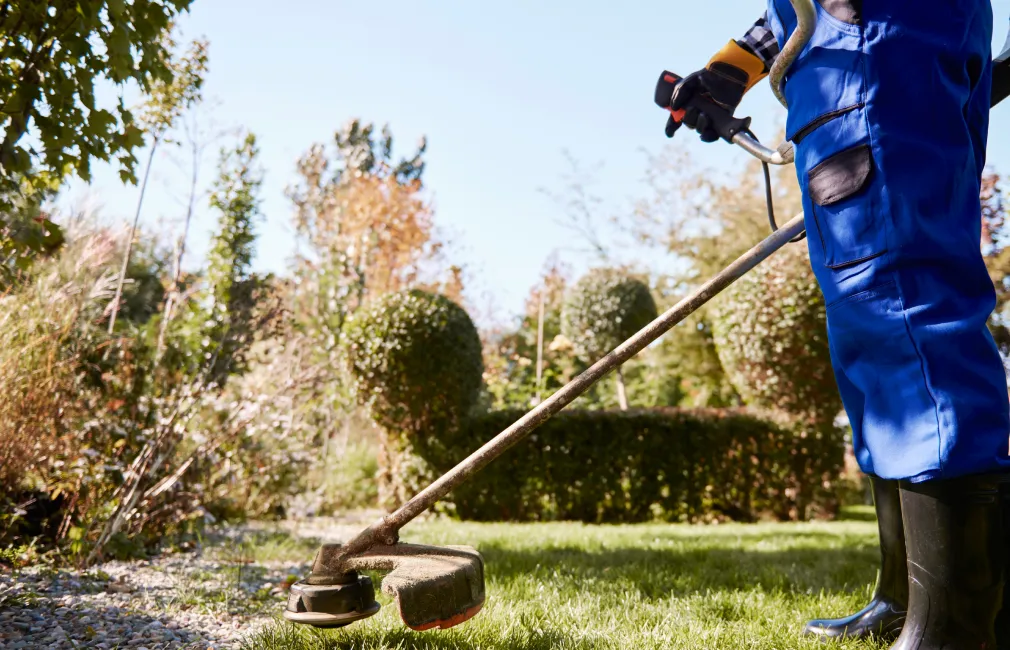
- String trimmer edging is appropriate for softer borders such as bed-to-turf transitions but requires careful depth control to avoid scalping bermudagrass stolons
- Edging frequency: During peak summer growth, bermudagrass edges may require attention every seven to ten days; overseeded ryegrass edges during cooler months typically need service every ten to fourteen days
- Time of day: Schedule edging during early morning hours to reduce heat stress on exposed turf edges and to comply with any applicable municipal noise guidelines
- Debris management: All clippings and soil displaced during edging should be collected on-site and disposed of through the city's green waste program rather than left on hardscape surfaces
Chandler Public Works & Utilities
Official Website: Chandler Public Works & Utilities
What Neighborhoods Do We Serve Throughout Downtown Chandler, AZ?
- Downtown Chandler Historic District — Older residential lots with mature landscaping, established irrigation systems, and narrow setbacks between turf and historic sidewalks that require precise edging techniques
- San Marcos Estates — Properties near the San Marcos Golf Resort feature irrigated bermudagrass lawns with extensive hardscape borders and elevated reflected heat from surrounding commercial development
- Villa de Paz — A residential area with compact lot sizes where turf edges frequently abut block walls and shared driveways, demanding careful equipment maneuvering
- Chandler Park neighborhood — Proximity to public park spaces and retention basins means edging crews must be attentive to stormwater flow paths and drainage easement boundaries
- Heritage District — Mixed residential and commercial frontages along Arizona Avenue and surrounding streets where sidewalk-adjacent turf edging supports municipal appearance standards